What Does It Mean to Think?
Human thinking involves much more than producing an answer. People combine knowledge, experience, emotions, values, context, creativity, and judgment.
When solving a problem, humans consider not only facts but also ethics, relationships, long-term consequences, and personal responsibility.
Thinking is therefore more than information processing. It is a combination of reasoning, understanding, and conscious decision-making.
How Does AI Work?
AI does not think like a human brain. Instead, it predicts the most likely response based on patterns learned from large amounts of data.
When you ask a question, AI generally:
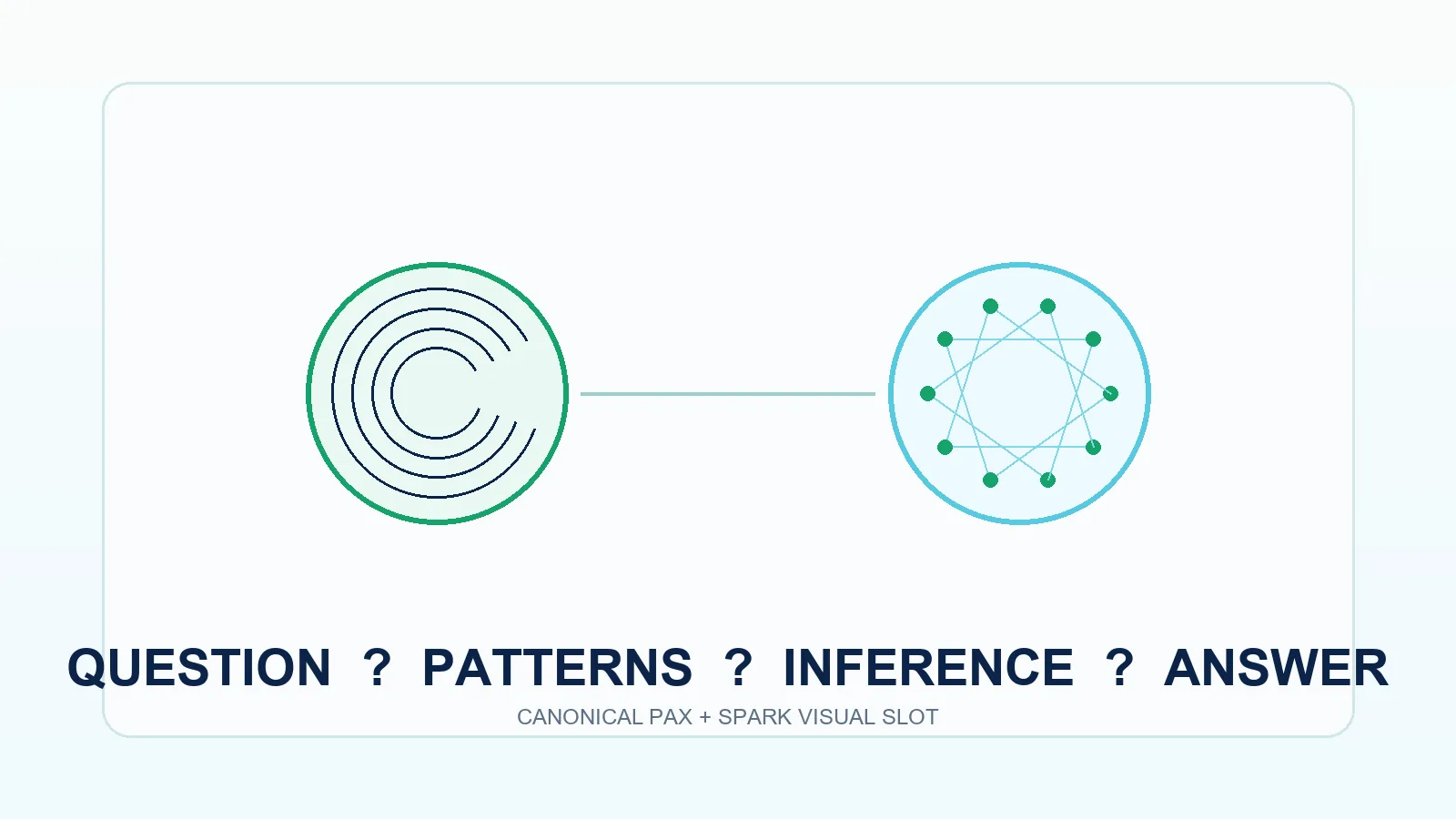
- Interprets your prompt.
- Identifies relevant patterns from its training.
- Predicts the next words or actions that best fit the context.
- Generates a response.
This process is powerful, but fundamentally different from human thought. AI performs inference from patterns rather than conscious reasoning.
AI vs. Human Thinking
| Human Thinking | AI Processing |
|---|---|
| Learns through life experiences | Learns from training data |
| Has emotions and values | Has no emotions or beliefs |
| Understands context deeply | Estimates patterns from data |
| Can reflect on mistakes | Improves through training and feedback, not self-awareness |
| Makes moral judgments | Follows learned patterns and instructions |
Recognizing these differences helps us avoid expecting AI to perform tasks that require genuine human judgment.
Common Misconceptions About AI
Many people mistakenly believe that AI:
- Understands everything it says
- Has opinions
- Knows the truth
- Is always objective
- Can replace human decision-making
In reality, AI generates responses based on probability rather than understanding. It may produce excellent answers, but it can also make mistakes or provide incomplete information.
The T.H.I.N.K. Framework
T — Training Data
AI learns from data collected during training. The quality and diversity of that data influence its responses.
H — Human Logic
Humans apply reasoning, ethics, experience, and context when making decisions. AI does not possess these in the human sense.
I — Inference
AI infers likely answers from patterns. It does not truly understand meaning in the way humans do.
N — No Consciousness
AI has no awareness, emotions, desires, or intentions. It does not know that it is answering a question.
K — Keep Human Judgment
For important decisions involving people, finances, safety, law, or ethics, human judgment should remain the final authority.
Workplace Example
Imagine a manager asking AI:
Should our company launch this product next month?
AI can analyze historical data, summarize market trends, and identify risks. However, it cannot fully understand company culture, employee morale, political factors, customer relationships, ethical concerns, or strategic priorities known only to the organization.
The manager should use AI as an advisor, not as the final decision-maker.
Practical Tips
When working with AI:
- Ask clear questions.
- Provide relevant context.
- Verify important information.
- Combine AI insights with professional expertise.
- Treat AI as a collaborative assistant rather than an autonomous expert.
Key Takeaways
- AI processes patterns rather than thinking like a human.
- AI has no consciousness or emotions.
- AI can be highly useful without being intelligent in the human sense.
- Human experience and judgment remain irreplaceable.
- The T.H.I.N.K. Framework helps you use AI wisely and responsibly.
Closing
AI is one of the most powerful tools ever created, but understanding what it can and cannot do is just as important as learning how to use it.
The best results come from combining AI's speed and efficiency with human wisdom, critical thinking, and sound judgment.
AI can assist your thinking, but it cannot replace it.
FAQ
Questions professionals often ask
Can AI think like humans?
No. AI processes patterns and generates likely outputs, but it does not possess consciousness, emotions, or human understanding.
Does AI have consciousness?
No. Current AI systems do not have self-awareness, feelings, desires, or intentions.
Can AI replace human judgment?
AI can support analysis, but important decisions involving people, safety, law, finance, or ethics should remain under human responsibility.
What is the T.H.I.N.K. Framework?
Training Data, Human Logic, Inference, No Consciousness, and Keep Human Judgment.